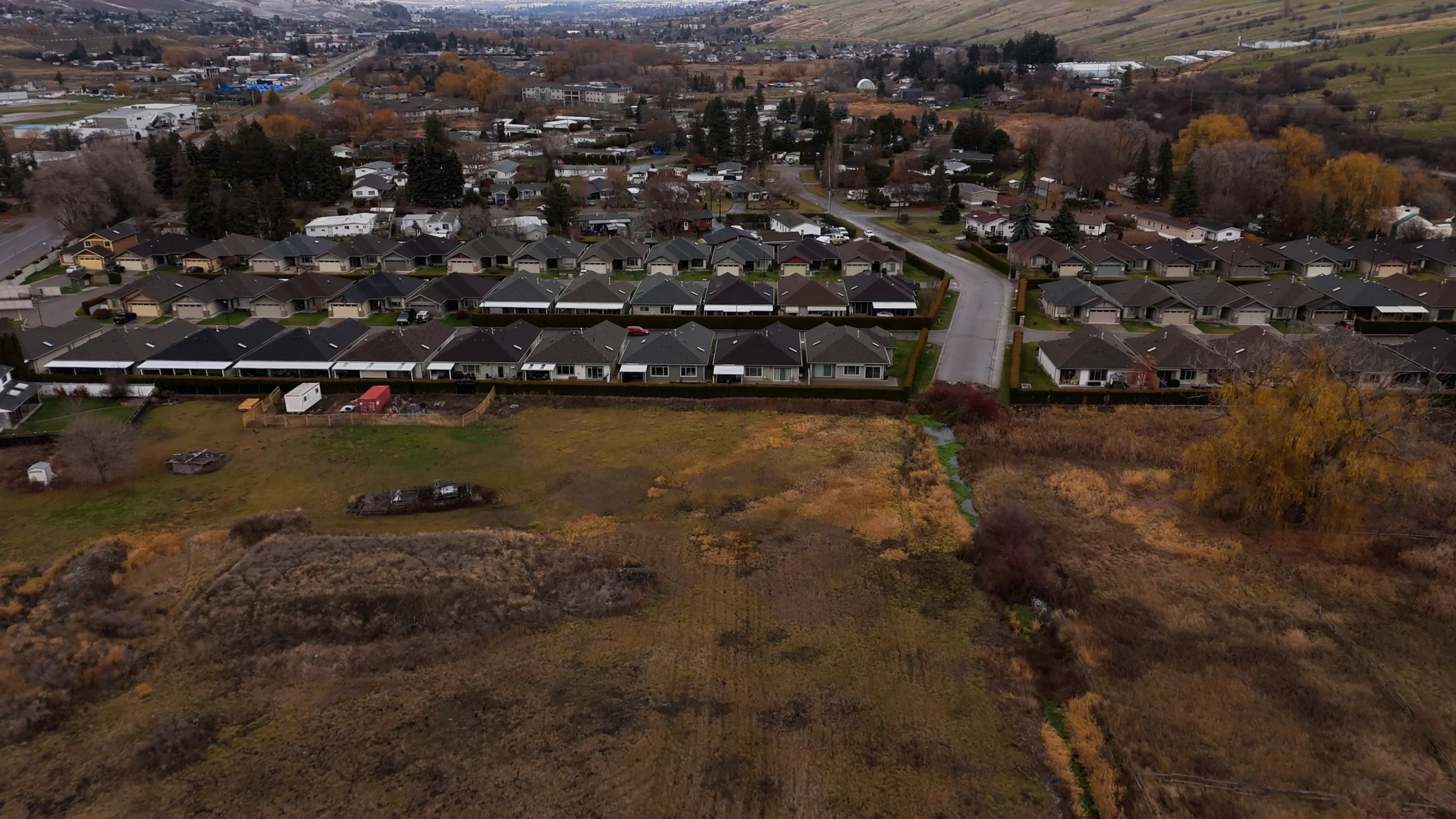
Subdividing is one of the most effective ways to unlock value from land in Kelowna — whether you’re creating a new lot to sell, preparing land for multi-unit construction, or dividing a family property into separate titles.
But it’s not just drawing a line on a map. Subdivision in Kelowna involves confirming feasibility, satisfying zoning, surviving a formal City review, building servicing infrastructure, and registering the result with the Land Title Office. It also means coordinating a BC Land Surveyor, civil engineer, legal counsel, and often a development consultant to keep it moving.
Here’s the full process, step by step.
Is Your Property Eligible?
Eligibility depends on your zoning classification under Zoning Bylaw No. 12375. Your proposed new lots must meet the minimum lot width, depth, and area for that zone. Start with the City’s online Map Viewer to confirm your zoning, then check the subdivision tables for RU1, RU2, RU3, RU5 (suburban residential), MF1 through MF4 (multi-family), and A1. Note that RU4 was deleted in the 2024 amendments, and most Core Area lots were rezoned from RU to MF1 — Infill Housing at the same time, so your zoning may not be what it used to be.
If your lot doesn’t meet current minimums, you may need to rezone first, or explore stratification as an alternative.
Ascend tip:
Properties on major roads like Gordon Drive or Lakeshore Drive are discouraged from subdivision under the City’s policy to reduce driveway access on major corridors. Check with Planning early if you’re on one.
Bill 44: More Units ≠ More Lots
The single most common misunderstanding we hear: “I can build four units on my lot now, so I can subdivide into four lots, right?”
Not quite. BC’s 2024 SSMUH legislation (Bill 44) required Kelowna to allow up to four dwelling units on most suburban lots, and up to six near frequent transit, but it did not change subdivision minimums. Density and subdivision are different levers. Depending on your goals, the right play might be more units on your existing lot, new subdivided lots, stratification of individual units, or a combination. A feasibility review is where that decision gets made.
Subdivision vs. Rezoning vs. Development Permits
Three approvals, three decision-makers. Rezoning changes what can be built on a lot, approved by Council. A development permit applies within Development Permit Areas (hillside, riparian, wildfire, sensitive ecosystem) and governs how you build, usually issued by City staff. Subdivision creates new titled lots, approved by the City’s Approving Officer under the Land Title Act.
When more than one applies, they run concurrently but in sequence: rezoning (if required) must be approved first, then subdivision proceeds. Straightforward subdivision under existing zoning is significantly faster and cheaper than a project that needs rezoning layered in.
The Subdivision Process: Step by Step
Step 1: Feasibility Assessment and Concept Plan
Before spending real money on consultants or applications, invest two weeks in a feasibility review. It confirms whether your subdivision is actually achievable, checking zoning compliance, servicing capacity, site constraints (slope, trees, easements, ALR), and producing a preliminary civil concept that shows how the proposed lots can be serviced and accessed.
This is also where the question shifts from “can I subdivide?” to “what’s the highest and best configuration?”, for example, whether a site supports three lots instead of two with creative frontage or a panhandle layout.
Ascend tip:
The most expensive subdivisions we see are the ones that skipped feasibility. Finding out mid-process that your servicing adds six figures is always worse than knowing upfront.
Step 2: Pre-Application Meeting with the City
Bring your feasibility-tested concept to a pre-application meeting with Community Planning. Staff will flag zoning, planning policy, DPA triggers, servicing issues, and development constraints, and clarify whether you’ll need rezoning, a development permit, or a variance to run alongside. It’s not mandatory, but it’s one of the highest-value hours you’ll spend on the entire project.
Step 3: Scope Required Studies, Prepare the Application, and Submit
This is the step where most landowners underestimate the work. Before you submit anything, you need to know exactly what the City and the Approving Officer will ask for, because every missing study means another round of review, more holding costs, and a later approval.
Scope the studies first. Required studies are typically identified at the pre-application meeting or through preliminary discussions between your development manager and City staff. Depending on your site, they may include a geotechnical report, environmental assessment, riparian area assessment, arborist/tree inventory, civil engineering plans, grading plan, stormwater management plan, or a traffic impact study. If rezoning or a development permit is running alongside, those applications drive additional study requirements too, and all of it needs to be scoped before consultants are engaged so nothing gets missed or duplicated.
Sequence rezoning first if it’s required. If your project needs rezoning, the rezoning application should go in ahead of the subdivision, not with it. Council approval of the rezoning is a prerequisite to the Approving Officer considering the subdivision, and starting rezoning first lets conditions from Council (density, form, access, setbacks) inform the subdivision layout rather than the other way around. A development permit, where required, typically runs concurrent with rezoning.
Prepare the submission package. The subdivision application doesn’t have to be led by a BC Land Surveyor plan, a civil engineered concept plan for the subdivision can also serve as the basis for initial City staff review. In practice, when no studies are triggered, at minimum you should submit an engineered civil plan and a grading plan alongside the City’s application form, supporting documents, and non-refundable fee (set by Development Application Fees Bylaw No. 12552). A BCLS-prepared subdivision plan will be required later for final approval, but it doesn’t have to be your opening document.
Ascend tip:
The goal at submission isn’t a perfect application, it’s a complete one. Incomplete submissions bounce back to you with comments that could have been resolved at the pre-app stage. A development manager earns their fee here by mapping the full study and document list upfront, so you submit once rather than three times.
Step 4: City Review and Preliminary Layout Review
Your application is circulated for comment to Development Engineering, Transportation, FortisBC, School District 23, the water purveyor, and other reviewers. The Approving Officer also assesses whether the proposal is against the public interest.
Once review is complete, the Approving Officer issues a Preliminary Layout Review (PLR) letter, the comprehensive list of everything you must deliver before final approval. Expect conditions on lot layout, road dedication, servicing (water, sewer, drainage, electrical), landscaping deposits, and parkland dedication or cash-in-lieu. The PLR is valid for one year.
Ascend tip:
The PLR is your roadmap. Review it carefully with your surveyor and engineer — servicing conditions can be significant, and that’s where we see the biggest gap between owner expectations and reality.
Planning to subdivide your property?
Download our Free Development Approvals Readiness Checklist to assess your project before you submit. Or book a consultation to talk through your approvals strategy with our team.

Step 5: Engineering Design and Servicing Construction
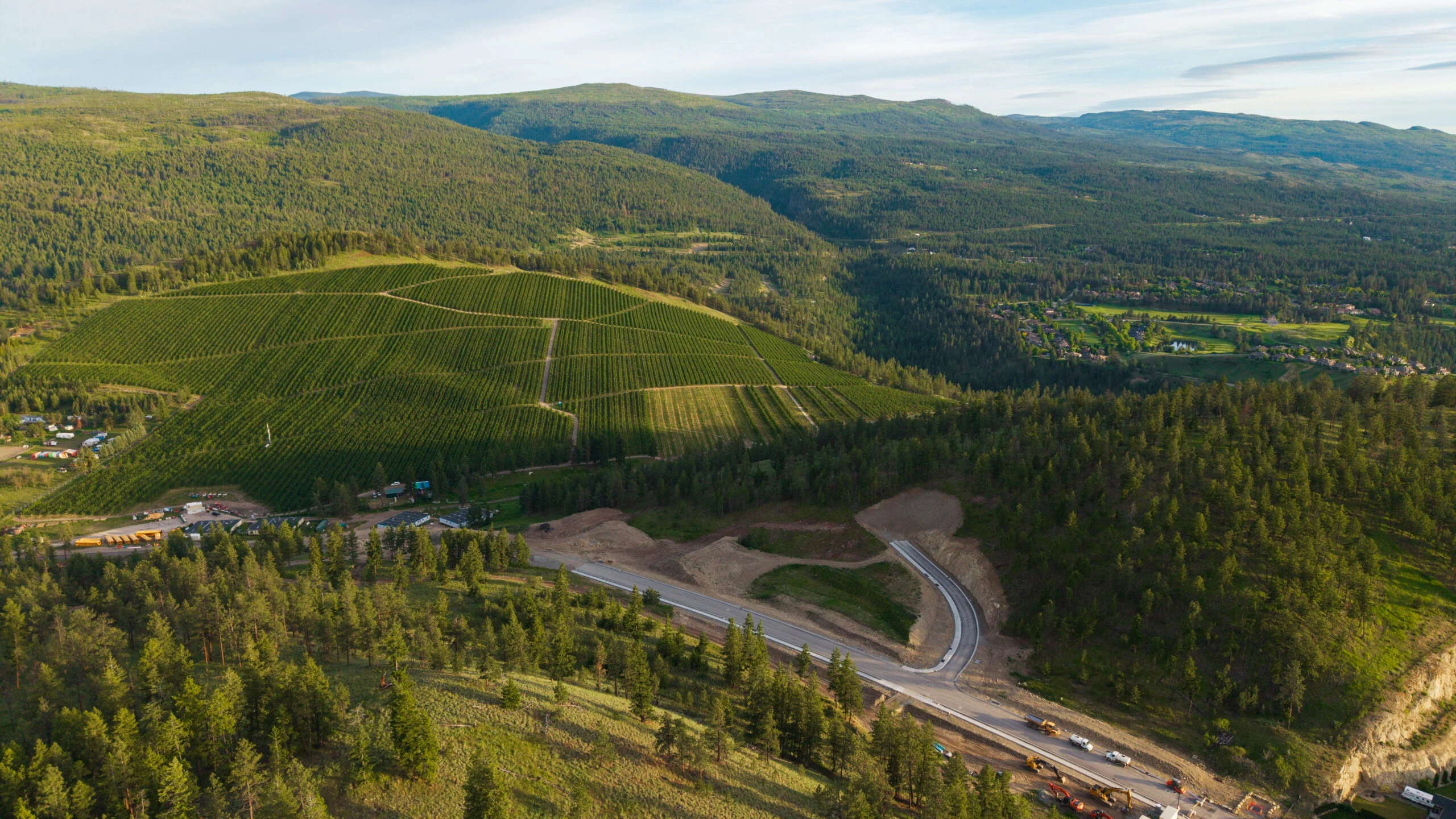
This is the longest and most expensive phase. Retain a professional engineer to design the works, roads, water mains, sewer, drainage, electrical, landscaping, street lighting, and any offsite upgrades, in accordance with Subdivision, Development and Servicing Bylaw No. 7900. Services must be installed at your expense before final approval, unless you bond and enter a servicing agreement with the City.
Ascend tip:
If you plan to demolish existing structures, don’t do it before PLR is resolved. Tearing down pre-subdivision can leave you with a site that’s un-sellable, un-developable, and un-insurable if the subdivision stalls.
Step 6: Final Subdivision Approval
Once all PLR conditions are satisfied, servicing completed or bonded, parkland dedication or cash-in-lieu paid, outstanding fees settled, you submit the final subdivision plan (prepared by your surveyor) for the Approving Officer’s signature.
Step 7: Registration at the Land Title Office
The signed plan goes to your lawyer or notary for registration at the Kamloops Land Title Office, typically about four weeks from submission. Once registered, each new lot has its own title and can be developed, sold, or held separately.
Ascend tip:
Start to finish, expect 6 months for a straightforward two-lot subdivision under existing zoning, and 18 months or more when rezoning, development permits, or significant servicing come into play. Plan timelines, carrying costs, and consultant sequencing accordingly.