
Development Management for Land Developers in Kelowna, the Okanagan, and BC
A Development Manager is the person in your corner. The advocate at the City. The eyes and ears across your consultant team. The single point of contact who moves your project from concept to approved plans without anything falling through the cracks.
Why Land Developers Hire a Development Manager
If you’ve run a land development project, you’ve felt the moment the file slows down. The civil engineer is running their scope. The surveyor has their piece. The geotechnical consultant has theirs. The City is asking questions that cut across all of them. And nobody is reading every review letter, translating it across disciplines, and driving a coordinated response back. That continuous, high-level coordination is where a Development Manager truly drives value.
Approvals happen because someone is actively driving the file forward every week. Someone reading every City review letter and coordinating the response across all consultants. Someone showing up in pre-application meetings, attending public hearings, negotiating servicing conditions with municipal engineers, and making sure your application doesn’t get parked behind someone else’s. Someone who picks up the phone when the City planner has a question, not three weeks later when the file resurfaces in someone’s inbox.
That someone is a Development Manager. On any land development project in Kelowna, the Okanagan, or across British Columbia, the difference between having one and not having one usually shows up as six to twelve months of lost time, multiple rounds of consultant rework, and a municipal review team that’s running out of patience with incomplete submissions.

What Falls Through the Cracks Without a Development Manager
Here’s what we see when developers come to us mid-project after trying to run it themselves or with consultants alone.
The City sends a review letter and nobody owns the response. The civil engineer responds to the civil comments. The geotechnical engineer responds to the geotech comments. The surveyor responds to the survey comments. Nobody is leading the planning and policy response or comparing the technical responses against each other, so the resubmission package contains contradictions the City catches on the next round. Two more months gone.
Consultants work in silos. Civil designs to the lot plan. Surveyor draws the lot plan. Geotech writes their report against the proposed grading. None of them are talking to each other, and nobody is leading the planning and policy interpretation across all of them. When the City asks why the proposed stormwater facility sits across a lot line, nobody has an answer. The project pauses while consultants meet (at your hourly rate) to resolve what should have been resolved in the design phase.
Servicing conditions get negotiated by whoever the City emails first. Often that’s the developer, who isn’t equipped to push back on overbuilt servicing requirements or to negotiate a more reasonable scope. The City asks for a $400K upgrade to the offsite water main; the developer just says yes because they don’t know they could have proposed a phased approach or a covenanted future upgrade. Real money lost.
Municipal staff turn over and continuity is lost. Your planner gets reassigned. The new planner doesn’t know your file. Without a Development Manager who’s been in the room from day one, you start over explaining the project, the strategy, and the conditions that were already agreed. Goodwill resets to zero.
Stalled files stay stalled. When a project loses momentum, nobody owns restarting it. The developer is focused on the next deal. The consultants are paid only for active work. The City has 200 other files. Without someone whose job is to get YOUR file moving again, it doesn’t.
Public consultation goes sideways. Rezoning files trigger public hearings or alternate engagement processes. A developer who hasn’t run one before walks in unprepared, faces a hostile room, and watches a file get delayed for political reasons that better preparation could have anticipated.
Bonding and conditions tracking falls behind. Conditions get signed off years before final acceptance. Without a Development Manager tracking each condition through to closure, bonds sit posted longer than they should, and final lot registration takes longer than it should.
These aren’t hypotheticals. These are the files we step into and clean up every year.

What a Development Manager Actually Does
Advocate
You hired engineers and planners to produce technical work. You need a Development Manager to advocate for your interests in the room. That means pushing back on overbuilt servicing requirements when the math doesn't support them. Negotiating reasonable timelines on phased conditions. Proposing alternative paths when the City's preferred path is more expensive than necessary. Translating policy ambiguity into a position that works for your project. The consultants design what's asked of them. The Development Manager makes sure what's asked of them is reasonable.
Owner's Eyes and Ears
You can't be in every consultant meeting, every site visit, every municipal pre-application review. The Development Manager is. They show up so you don't have to. They walk the site during construction phases. They sit at the table when the City planner is explaining a new policy that affects your project. They know when something is wrong before it becomes a deficiency letter. They tell you what matters and filter out what doesn't.
Translator
Municipal review staff write in policy and code. Civil engineers write in cubic metres and litres per second. Surveyors write in plan dimensions. You write in dollars and dates. A Development Manager translates between all of those languages so nobody is operating with incomplete information. When the City writes "the proposed development does not align with policy 5.4.2," the Development Manager reads it as "the planner has concerns about lot frontage that we can resolve with a variance request supported by a survey memo." When the civil engineer writes "the existing main has insufficient capacity," the Development Manager translates that into a budget conversation and a phasing decision.
Coordinator
Multiple consultants, multiple municipal departments, sometimes provincial agencies, First Nations, utilities, or legal teams. A Development Manager runs the meetings, tracks the deliverables, reviews submissions before they go to the City, and keeps a single source of truth on what's been agreed, what's pending, and what's next. Without that coordination, the project becomes the sum of disconnected outputs, and the cost of reconciling them shows up later as rework and delay
How Ascend Supports Land Developers Through Approvals
We act as your representative across all project stages, providing structure and momentum to complex land development projects in Kelowna, the Okanagan, and across British Columbia. The six service areas below are how that breaks down in practice.
We become your single point of contact across all consultants, municipal staff, and contractors. We run the project: budgets, schedules, deliverables, stakeholder coordination, decisions that need your input, site visits during planning and construction phases. You retain control over the strategic calls. We handle the coordination, tracking, and execution that keeps the project moving every week. For developers managing multiple projects or those who need experienced development management without hiring a full-time internal team, this role is the backbone of what we deliver.
A clear approvals strategy prevents the common scenario where consultants produce deliverables that don't align with what the City actually wants, and applications come back with deficiency letters or new requirements that weren't anticipated. For subdivision application management and rezoning files in Kelowna and across BC, the upfront roadmap is the foundation of a project that moves cleanly through reviews.
We coordinate your full technical consultant team: civil engineers, land surveyors, geotechnical engineers, environmental specialists, traffic engineers, legal counsel. The planning and approvals strategy stays in-house at Ascend, where we run it directly as part of the development management scope. Scope definition, deliverable timelines, milestone tracking, coordination meetings, review of submissions before they go to the City, and resolution of gaps or conflicts between disciplines. We work with your existing consultants where you have them, and we bring in our preferred bench when you need new specialists. Either way, the disciplines stay connected so the City doesn't catch contradictions we should have caught first.
We prepare and lead your OCP amendments, rezoning applications, subdivision applications, and development permit applications through the entire municipal review process. That means complete submission packages, coordinated consultant reports and technical studies, fee submissions, pre-application and review meetings with City staff, responses to staff comments, revision and resubmission cycles, public consultation coordination when required, and tracking conditions through to final approval and registration.
The goal is quality first submissions and proactive municipal coordination. Applications that come back clean are applications that move.
This often involves diagnosing coordination breakdowns between consultants, realigning technical work with municipal expectations, facilitating difficult conversations with the City or consultants to clarify requirements, and sometimes recommending transitions to different consultants if the current team isn't delivering. We've stepped into plenty of stalled subdivision and rezoning files and restored forward progress.
For master-planned communities and larger developments requiring phased approvals and construction, we support long-term planning and execution. Phasing plans aligned with engineering design and municipal requirements. Overlapping timelines across multiple phases at different approval stages. Servicing infrastructure dependencies and construction sequencing. Coordination between phases that may involve different engineering firms or contractors. Long-range alignment as market conditions and project priorities evolve.
Multi-phase development management in Kelowna and the Okanagan requires disciplined coordination across years of work, often with multiple consultant teams, changing municipal staff, and evolving policy frameworks. Continuity is the value.
Why the Right Development Manager Makes the Difference
City Relationships Move Files Forward
Approvals are part technical and part relational. The Development Manager who has been in the room with the City of Kelowna planning department for years knows the staff, knows the file pipeline, knows the policy direction before it's written down, and knows how to position a request so the answer is yes. The Development Manager who walks in cold doesn't. We've built standing relationships across Kelowna, Vernon, Lake Country, West Kelowna, Penticton, and Peachland. For anyone looking to develop land in the Okanagan, that relational capital is one of the quietest but most meaningful advantages on the table.
A Vetted Bench of Preferred Consulting Partners
Civil engineers, surveyors, geotechnical consultants, environmental specialists, traffic engineers. We've built relationships with the firms we trust to deliver accurate technical work on the timelines that approval processes actually move on. The planning and approvals strategy work stays in-house at Ascend, where we run it directly as part of the development management scope. When you need a new specialist on a file, you're getting our shortlist of engineering partners, not whoever has capacity that month at the closest firm.
We Speak Both Strategy and Execution
Erika Kretchmer founded Ascend to bring clarity and certainty to BC's development approvals process. Her background combines operations leadership, including her role as Vice President of Operations at Alpine, with hands-on land development and approvals work in Kelowna and across the Okanagan since 2021. That mix means we operate at both levels: the strategic decisions a developer needs at the top of the file, and the disciplined execution required to move applications week over week. You don't have to choose between a strategic advisor who can't run the file and an administrator who can't see around corners
We're Hands-On, Not Just Email Coordinators
Development management means site visits during planning and construction phases. It means in-person meetings with the City planner. It means walking the site with the civil engineer when something doesn't make sense on the plans. It means being present for the work that actually moves projects forward, not just coordinating from a desk.
Your Project, Start to Finish
A real Development Manager owns the file from concept through approval and into construction coordination. Not until the first deficiency letter, then handed back. Start to finish, one team, one point of contact, one strategy. That's how files stay coherent.
We Step Into Stalled Files and Restore Momentum Quickly
If your project has lost direction, is receiving confusing municipal feedback, or needs fresh strategic oversight, we can assess the situation, diagnose what's causing delays, and establish a realistic path forward. We've rescued plenty of in-stream files where coordination broke down or consultants weren't delivering.
Developers We Work With
Ascend works alongside land developers across a range of project types and scales in Kelowna, Vernon, and the Okanagan. Two active files where we're providing development management and approvals support:

The Project
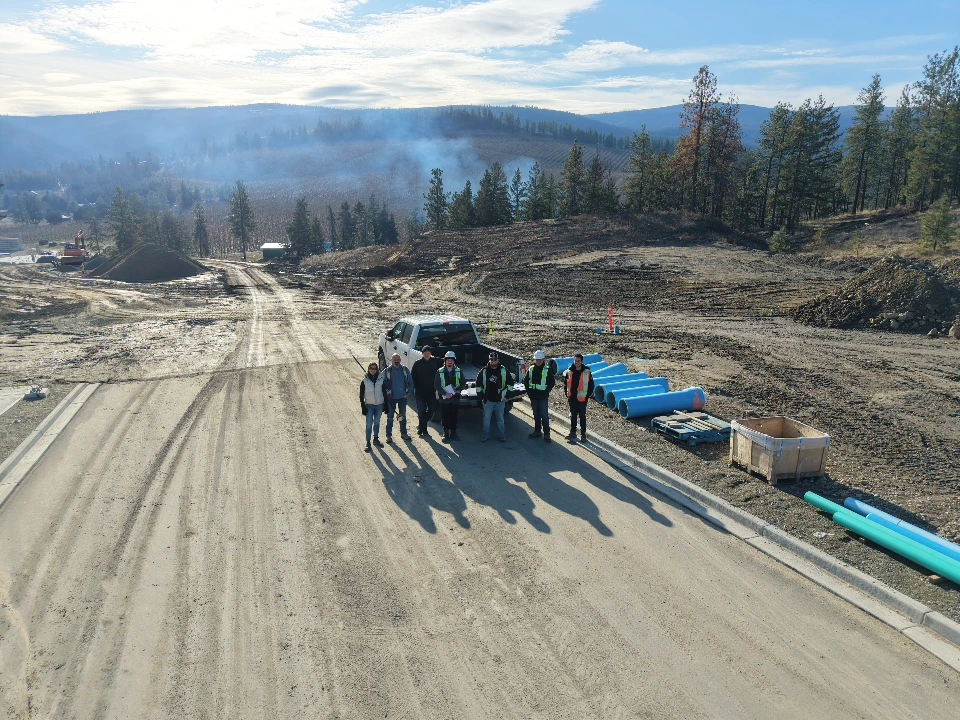
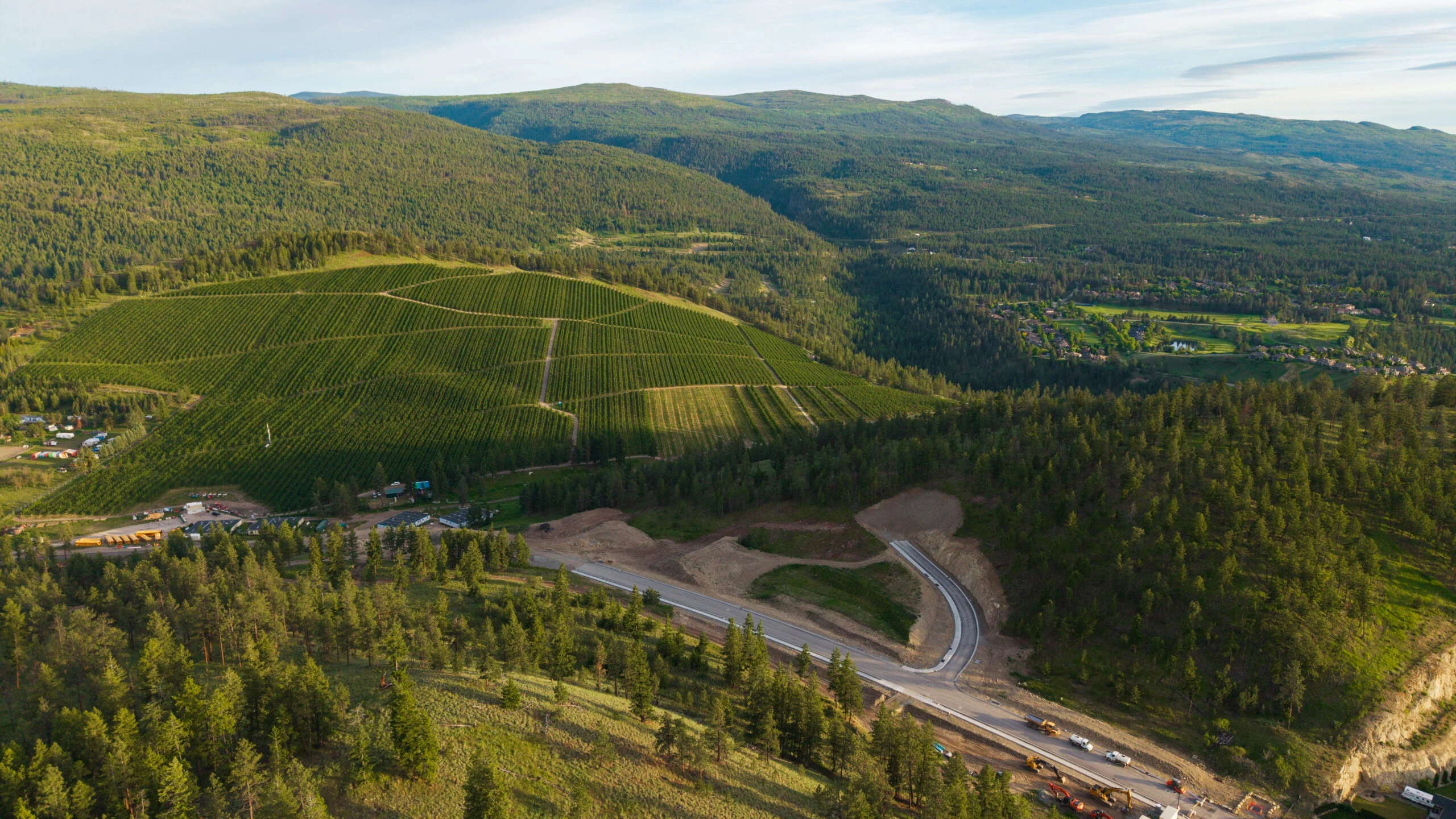
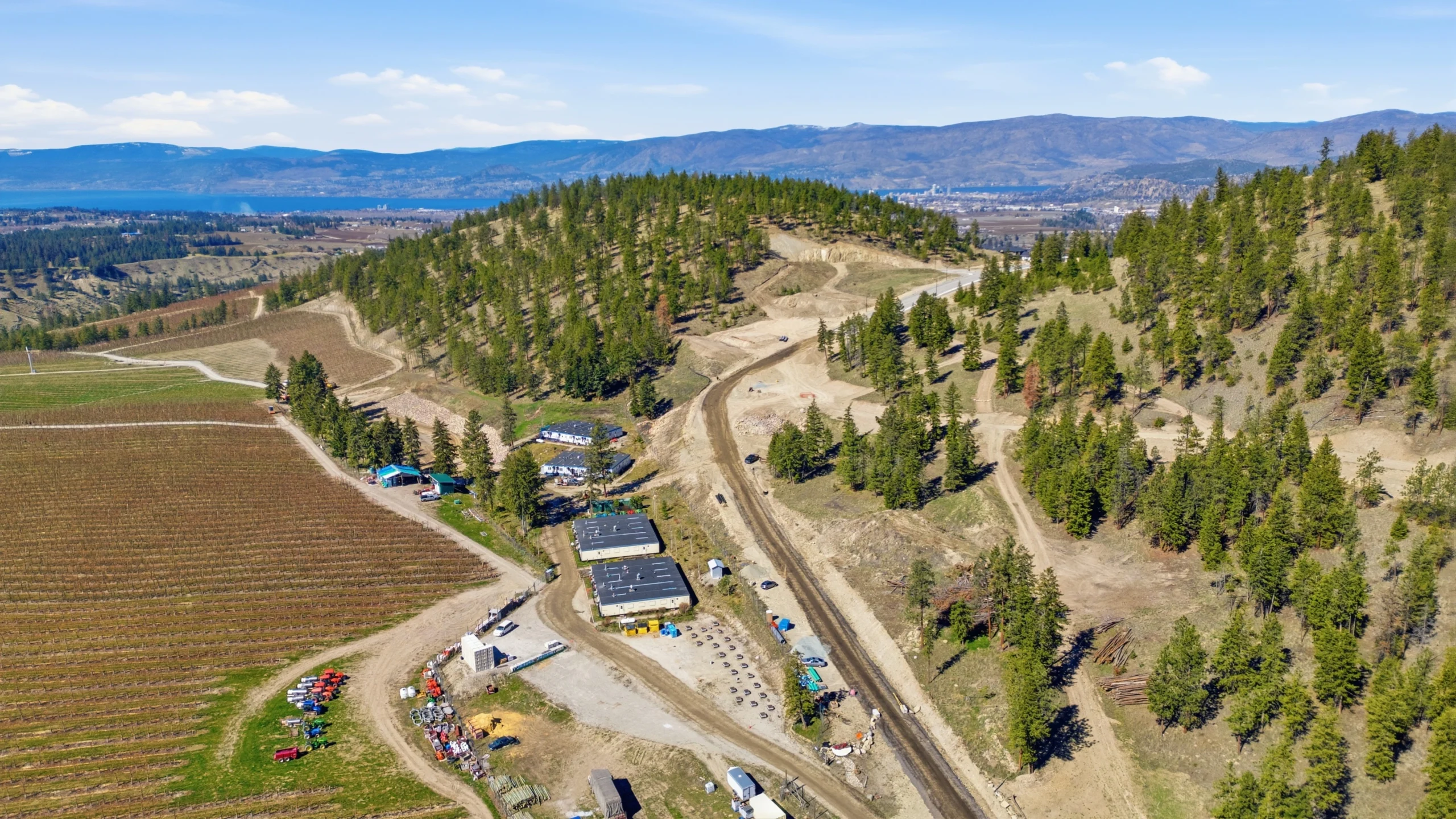
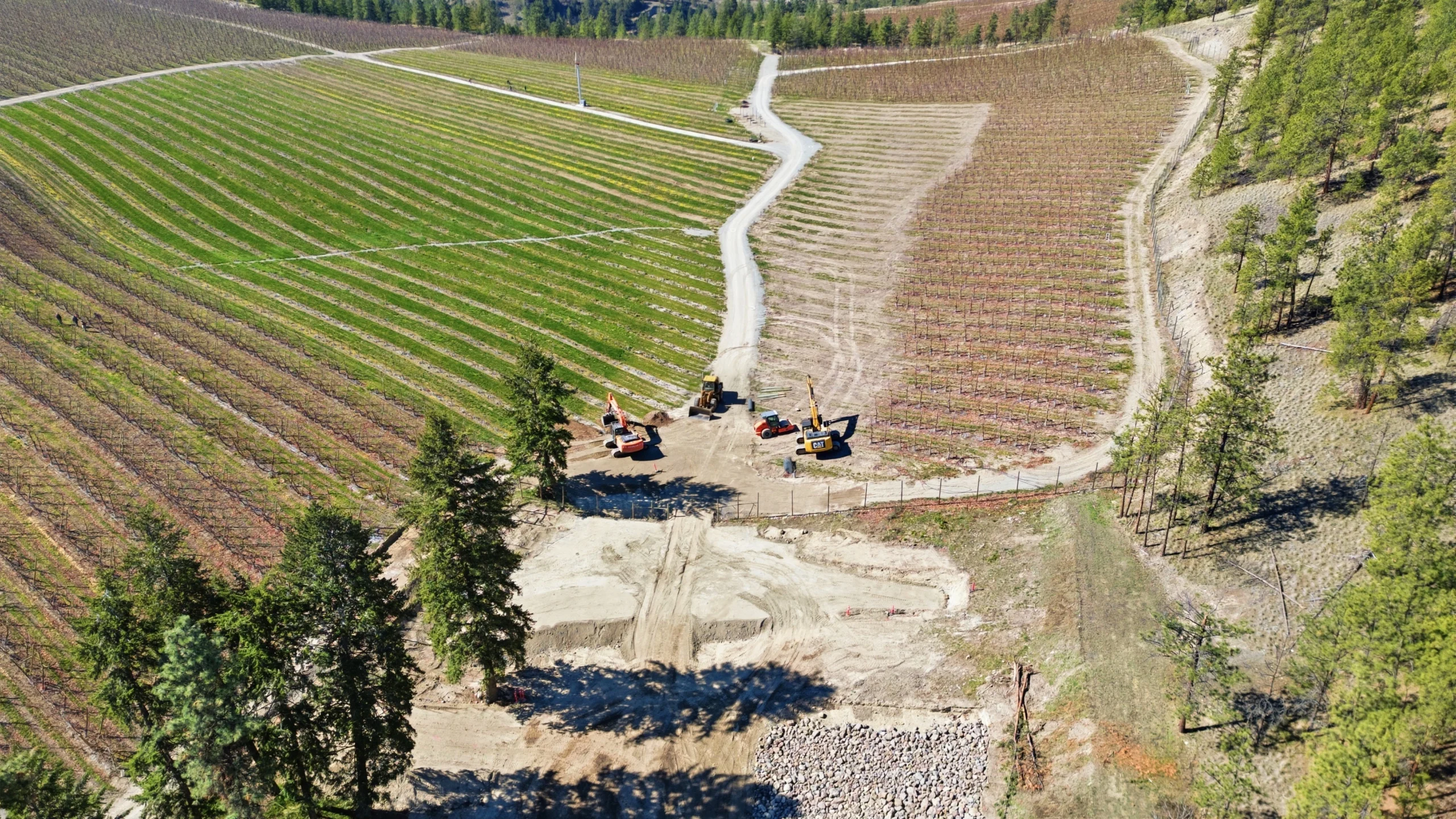
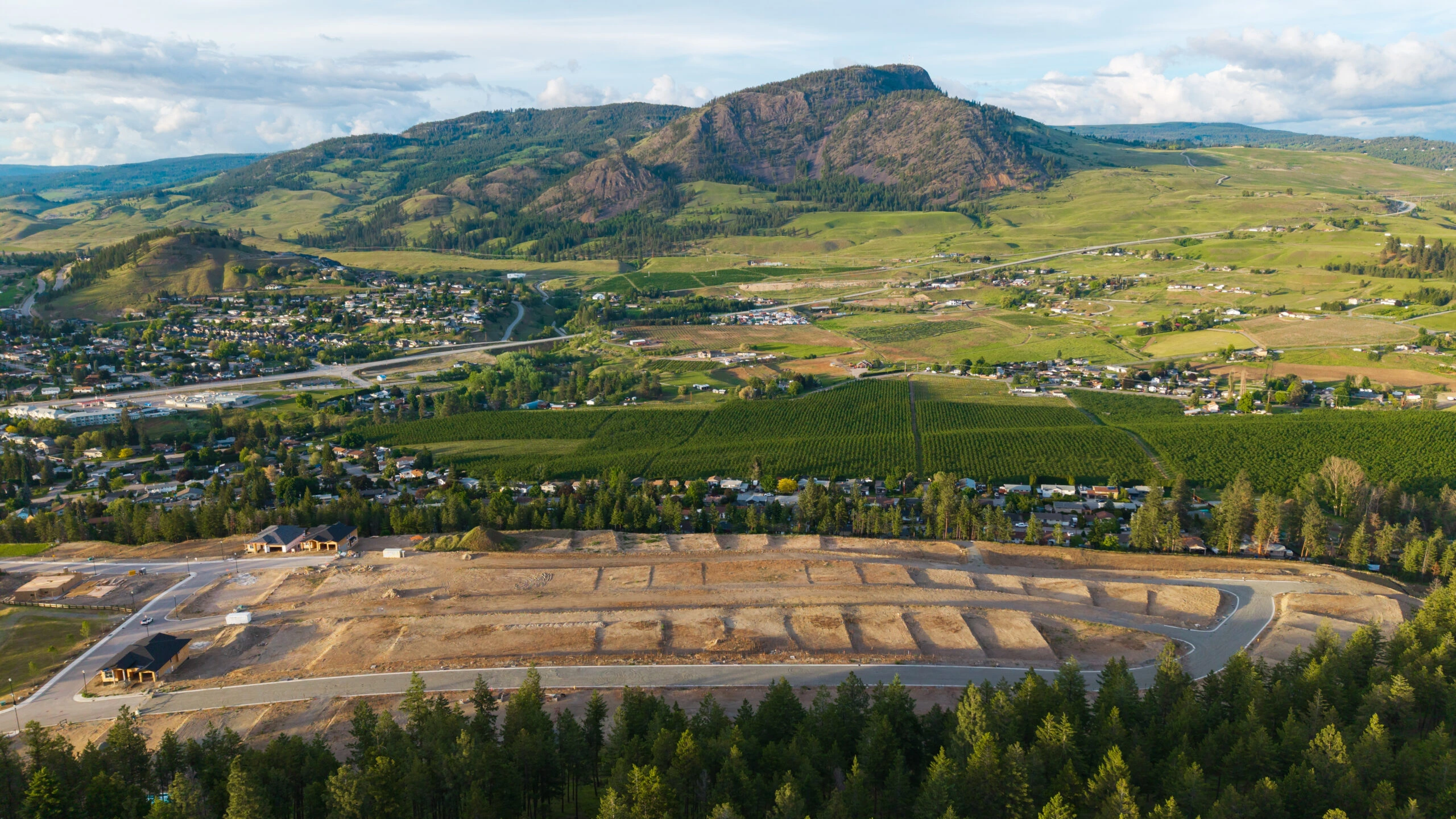
Kirschner Mountain is a master-planned hillside community in Kelowna, BC, spanning over 100 acres of remaining development land. The community includes both single-family and multi-family residential phases and represents a long-term, complex development requiring coordinated approvals, engineering, and phasing strategies with the City of Kelowna and Black Mountain Irrigation District.
Ascend's Role
Ascend has served as lead Development Manager for Kirschner Mountain since 2023, working directly with the property Owner to align engineering design, municipal approvals, and servicing infrastructure across multiple active phases. Since joining the file, our team has supported the registration of one single-family phase (19 lots) and one multi-family phase, managed multiple development permit applications, and led a zoning amendment process through to approval.
We’ve also facilitated the Owner’s transition between civil engineering firms by coordinating master planning and servicing coordination workshops with consultants and City staff to maintain project continuity. Currently, we’re coordinating engineering design and municipal submissions for two stormwater management systems, progressing a new phase of 35 single-family lots toward subdivision registration, and managing day-to-day coordination with surveyors, legal counsel, three different engineering consulting firms, the civil contractor, City of Kelowna planning and engineering departments, and BMID.
Project Status
Active and ongoing. Long-range planning and phasing strategy coordination continues as the community grows and new phases move through design, approvals, and construction.
The Project
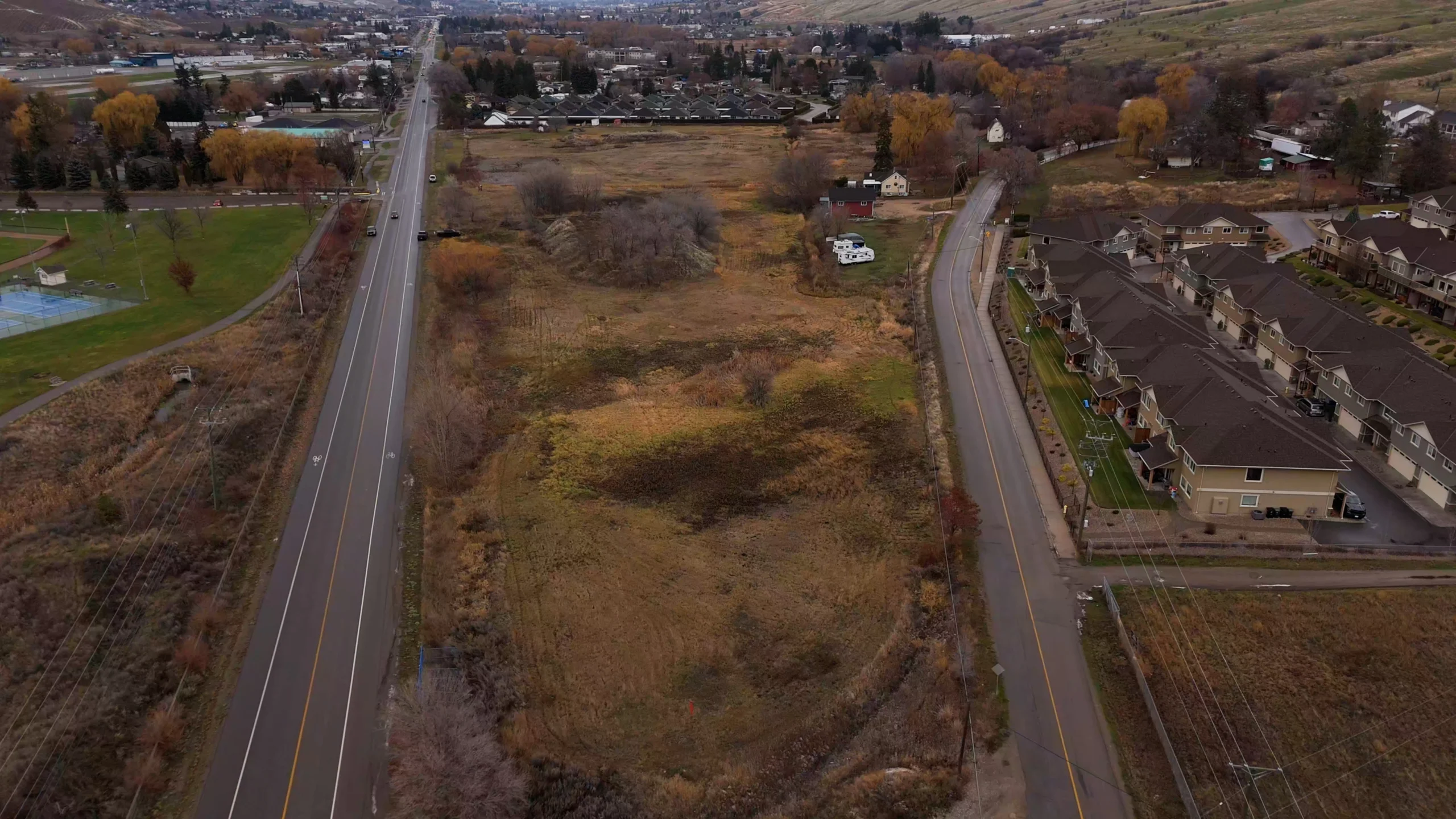
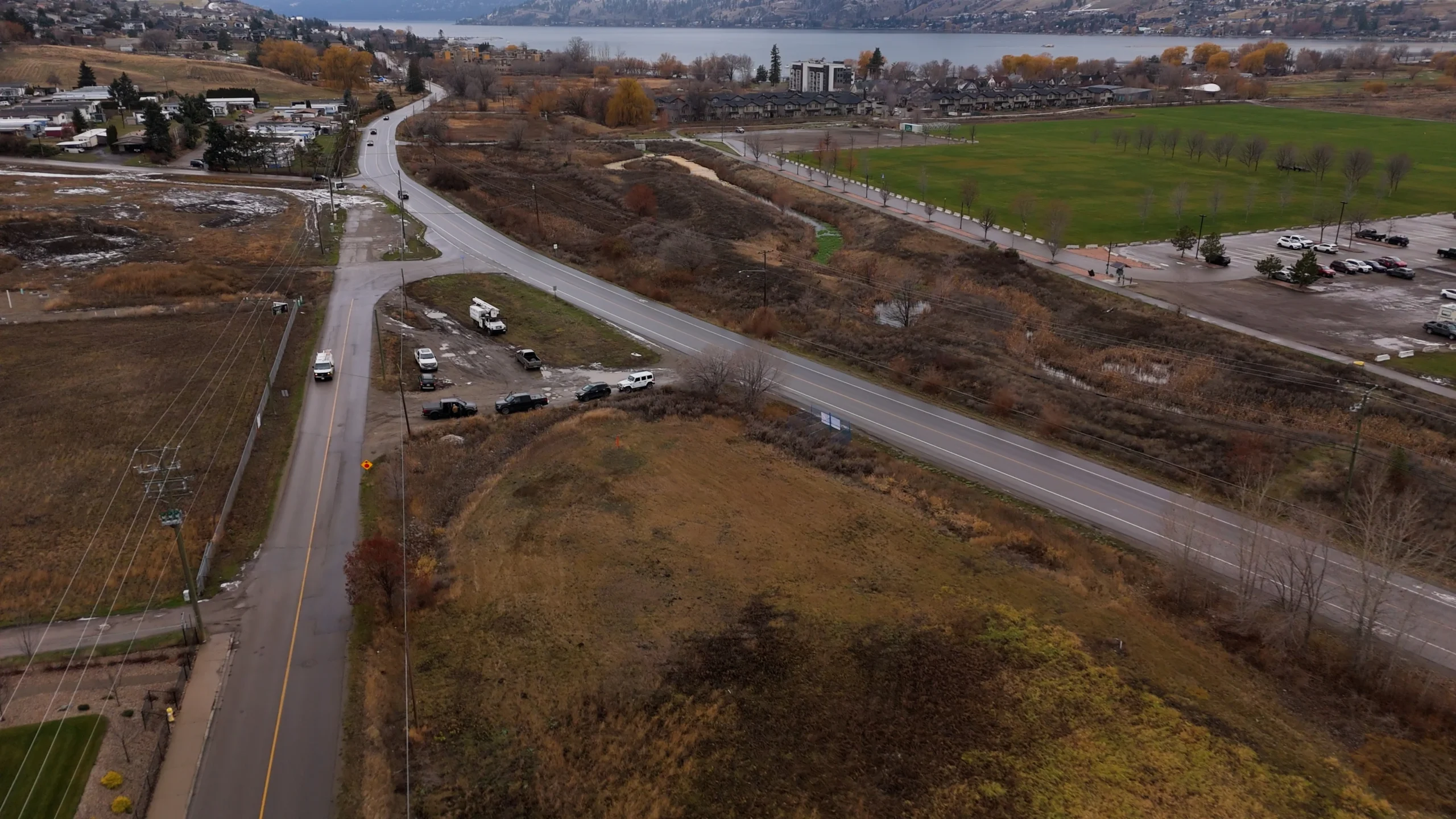
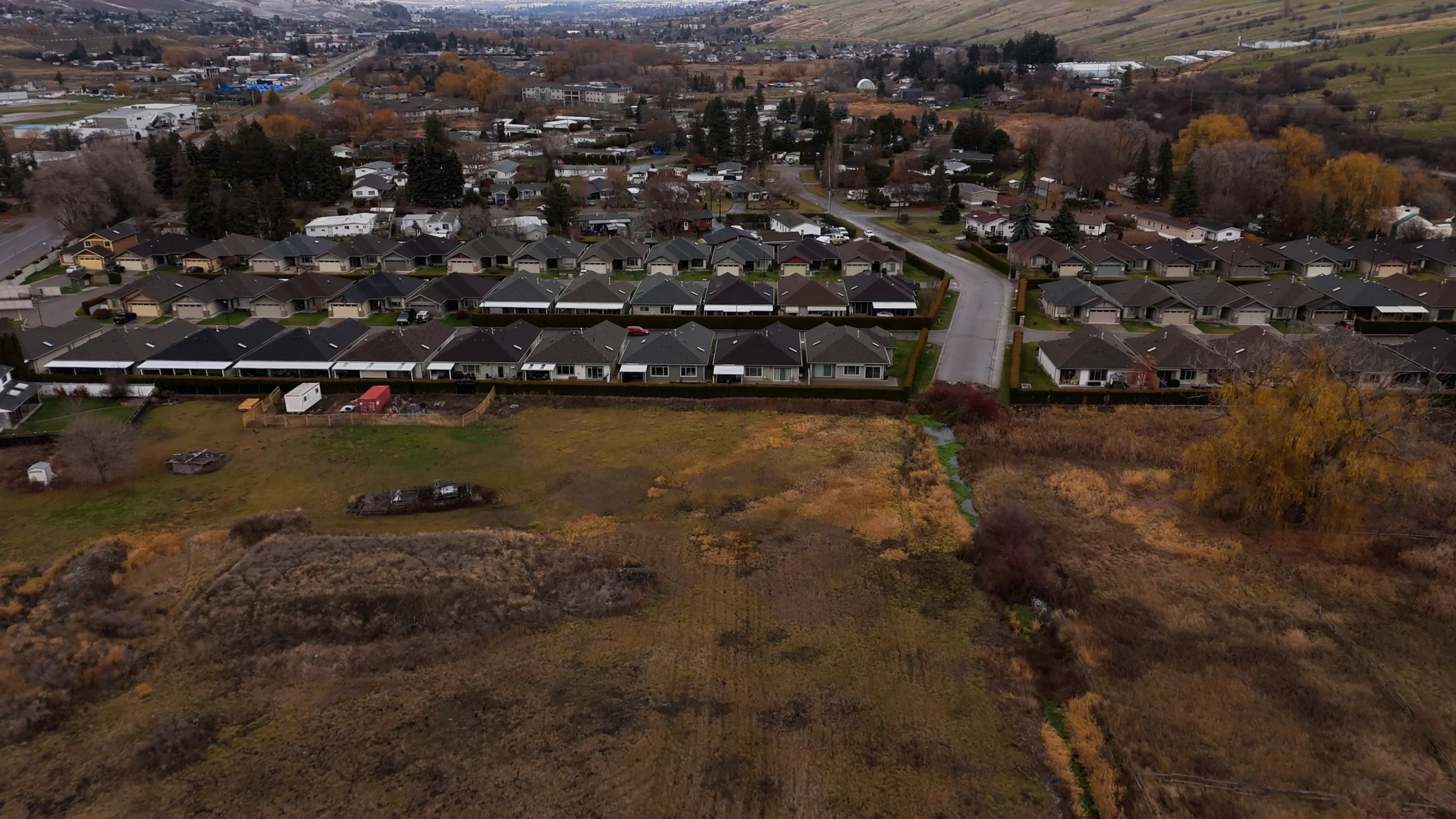
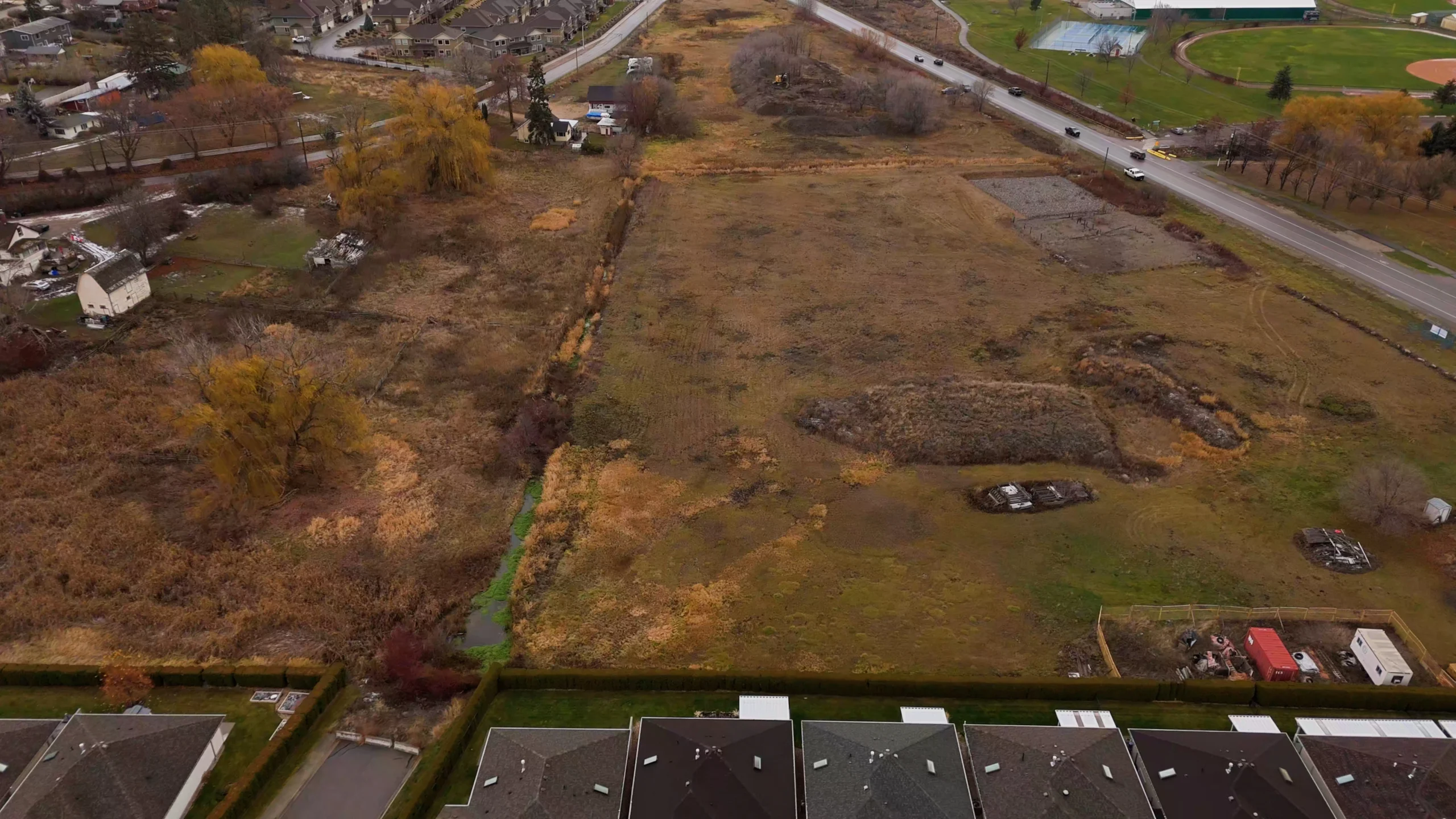
This residential subdivision project in Vernon, BC involves an 11-acre parcel being developed into 5 multi-family lots. Led by Innocept Developments, the project has been navigating the City of Vernon’s approval process since 2023 and represents a significant development opportunity in the north Okanagan market.
Ascend's Role
Ascend stepped into this project as Development Manager in August 2025 when the file needed renewed momentum and strategic direction. We’ve been working closely with the property Owner, their internal team, and engineering consultants to coordinate civil design submissions, work through Preliminary Layout Review (PLR) conditions with the City of Vernon, address technical review comments, and move the project toward final approval and subdivision registration.
Our role includes coordinating consultant deliverables, managing municipal review responses, maintaining communication with City staff, and providing the Owner with clear visibility into timelines, conditions, and next steps as the project progresses toward registration.
Project Status
Progressing toward approval and registration of the 5 multi-family lots in 2026. Lots are now being marketed and sold directly from the Owner as the project moves through final approvals.
Questions Developers Ask Us
Your engineer designs servicing, grading, and stormwater. Your project manager tracks deliverables and timelines. Neither of them is paid to lead the planning and approvals strategy, advocate for your interests in city meetings, translate between disciplines when consultants are working in silos, negotiate servicing conditions with municipal engineers, run public consultation, track conditions through to bonding release, or manage the file when one of them goes on vacation.
A Development Manager does all of that. We’re the role that owns the project as a whole, leads the planning and approvals work in-house, makes sure the technical consultants are aligned, and represents your interests in every conversation with the City. Some developers run this role internally. Most don’t have the in-house capacity, especially for files that span years and require deep familiarity with BC approvals processes.
As early as possible. The highest-value moment is before any consultant work begins, because that’s when the approvals strategy gets set and the right consultants get scoped. Bringing us in at concept stage means we shape the application pathway, define what technical studies are needed, sequence the work, and prevent the rework that comes from consultants producing deliverables that don’t align with municipal expectations.
That said, we step into projects at every stage. Mid-stream, mid-application, mid-rezoning, even mid-stalled-file. The Innocept project above came to us two years into the City of Vernon review process. Earlier is better, but later is still valuable.
Concretely: it means we attend pre-application meetings and ask the questions that shape the file. It means when the City sends a deficiency letter, we read it, coordinate the response across all consultants, and submit a single coherent reply rather than five disconnected ones. It means we negotiate the scope of servicing conditions, propose phased approaches when one-shot conditions don’t make sense, and pull policy precedent into conversations when it strengthens our case. It means we know the planner, the engineer, the supervisor, and the manager at the City, so when something needs to escalate, we know who to call and they take the call.
For rezoning files, advocacy also means running the public consultation process: open houses, neighbour notifications, response to inquiries, and the management of an advisory committee or public hearing presentation. These are political processes as much as technical ones. Developers who haven’t run them before benefit from someone who has.
A Project Manager typically focuses on execution within a defined scope: managing contractors, construction timelines, budgets, schedules. The role usually kicks in after approvals.
A Development Manager operates earlier and broader. We coordinate the full approvals journey and the consultant ecosystem before construction begins. Strategic planning, application management, municipal advocacy, consultant coordination. Many developers need both. We focus on the development management side, and we also provide project management support through planning and construction phases when needed. For most developers, having one team carry both roles end-to-end is the cleanest setup.
Yes. We frequently join projects mid-stream when they’ve lost momentum, are facing coordination challenges, or where the developer needs experienced oversight to get things back on track. We assess the current state of the file, review existing work and municipal feedback, identify what’s causing delays, and establish a clear path forward.
This often involves realigning consultant work with municipal expectations, facilitating coordination between teams who haven’t been communicating effectively, or recommending strategic changes to the approach. We’ve successfully stepped into subdivision applications, rezoning files, and multi-phase projects at various stages and restored forward progress. The Innocept case study above is one example.
Residential subdivisions (single-family and multi-family), master-planned communities requiring multi-phase coordination, mixed-use developments, and targeted infill projects throughout Kelowna, Vernon, and the Okanagan. Our experience includes straightforward subdivisions, complex hillside developments requiring coordinated servicing, stormwater management, geotechnical considerations, and phased approvals.
We focus on land development projects where strong development management, consultant coordination, and municipal approvals expertise create real value. If your project involves coordinating multiple consultants, navigating BC municipal processes, or managing phased approvals and construction, we’re likely a good fit. Submit an inquiry to discuss your specific project.
We work with your existing consultants as your representative, not as a replacement for them. If you have civil engineers, surveyors, or planners already engaged, we coordinate their work, facilitate alignment between them, manage deliverables and timelines, and make sure their submissions meet municipal requirements.
If you need to bring in new consultants or transition between firms, we help with selection, onboarding, and scope definition. Most consultants appreciate having a Development Manager who understands the full project scope and can facilitate alignment across disciplines. We make their job easier by reducing rework and keeping everyone on the same page.
Kelowna, Vernon, Lake Country, West Kelowna, Penticton, Peachland, and other Okanagan municipalities. We work on land development projects across British Columbia. Local knowledge matters in development management, but strong fundamentals and BC provincial process expertise transfer across regions. Book a Consultation to discuss your project location and needs.
It depends on the application type and complexity. A straightforward two-lot subdivision under existing zoning can take roughly 12 months from complete application to Land Title Office registration once you account for City review, engineering design, servicing construction, and final approval. Add rezoning, a development permit, or significant offsite servicing works, and you’re looking at 18 months or more. Complex projects requiring multiple approvals, environmental assessments, and phased infrastructure routinely run two to three years or longer.
We give clients realistic timeline expectations upfront based on the specific file. Tracking against those timelines is part of the development management role, and surfacing risks before they become delays is part of the advocacy work. For a full breakdown of each stage and what drives the clock, see our guide: How to Subdivide Property in Kelowna: A Step-by-Step Guide for Landowners and Developers.
Fees are typically structured as a monthly retainer based on project scope, complexity, and anticipated timeline, or as a fixed fee for defined project phases. We provide transparent fee proposals after understanding your project during an initial consultation.
Professional development management typically pays for itself by preventing consultant rework, avoiding application delays and resubmissions, ensuring complete first submissions to municipalities, and maintaining momentum so capital isn’t tied up in extended approval timelines. The cost of coordination failures and lost time on a typical land development project usually exceeds professional development management fees by a wide margin. Submit an inquiry to discuss your project and receive a detailed proposal.


Ready to move your land development project forward?
Book a consultation to see how we can streamline your path to approval.
